

Quick takeaway
Traditional saunas and infrared saunas both use heat, but they create heat in different ways. A traditional sauna heats the room and the air around you. An infrared sauna uses infrared light to warm the body more directly at a lower air temperature.
Both can be pleasant. They are not the same experience.
How a traditional sauna works
A traditional sauna heats the room.
An electric or wood-burning heater warms sauna stones, the air, the benches, and the cedar interior. When water is added to hot stones, it creates löyly, a wave of steam-rich heat that changes how the sauna feels.
That full-room heat is central to the traditional sauna experience. It is immersive. You feel the heat around you, above you, and in the materials of the room.
At SaunaSpa, this is the world we focus on: outdoor Red Cedar saunas built for real heat, fresh air, and a complete ritual.
How an infrared sauna works
An infrared sauna works differently.
Instead of heating the air to the same level as a traditional sauna, infrared panels emit infrared heat that warms the body more directly. The room temperature is usually lower, which some people find easier to tolerate.
The Mayo Clinic notes that studies on infrared saunas have looked at several long-term health conditions, but larger and more exact research is still needed to prove many of the proposed benefits.
That is a useful reminder: no sauna category should be oversold.
The difference in feeling
Traditional sauna feels like entering a hot room.
The heat surrounds you. The wood warms. The stones hold heat. The air changes when water touches the stones. The experience is physical, atmospheric, and connected to the room itself.
Infrared sauna can feel more direct and less intense in the air. For some users, that is a benefit. For others, it feels less like the traditional sauna ritual they are looking for.
Neither answer is universal. The right choice depends on what kind of heat experience you want.
What Andrei means by real heat
When Andrei Fimine talks about traditional sauna, he is usually talking about the complete ritual, not only the temperature.
Real sauna heat is about:
- heated stones
- full-room warmth
- cedar benches and walls warming with the air
- the option to add water to the stones
- a gradual cool-down outside
- the rhythm of heat, rest, and return
That is why traditional outdoor sauna feels different from a small indoor heat cabinet. The environment matters as much as the heat source.
Steam-rich heat versus dry direct heat
One of the biggest differences is water on stones.
In a traditional sauna, adding water to the stones creates a burst of humidity and heat sensation. This is part of classic sauna bathing and one of the reasons people describe traditional heat as deeper or more complete.
Infrared saunas generally do not create that same löyly experience. They are usually dry, panel-based environments.
If the ritual of stones, cedar, steam, and outdoor cool-downs matters to you, a traditional sauna is the more natural fit.
Outdoor experience matters too
Most infrared saunas are indoor products.
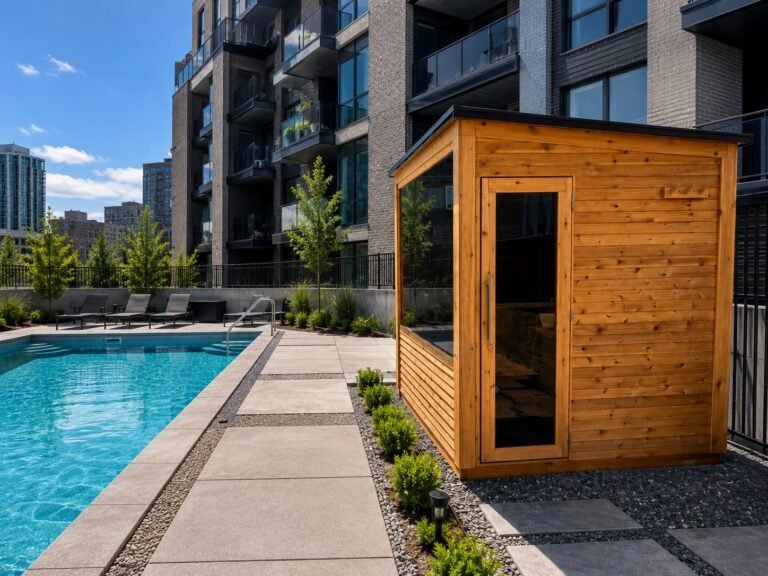
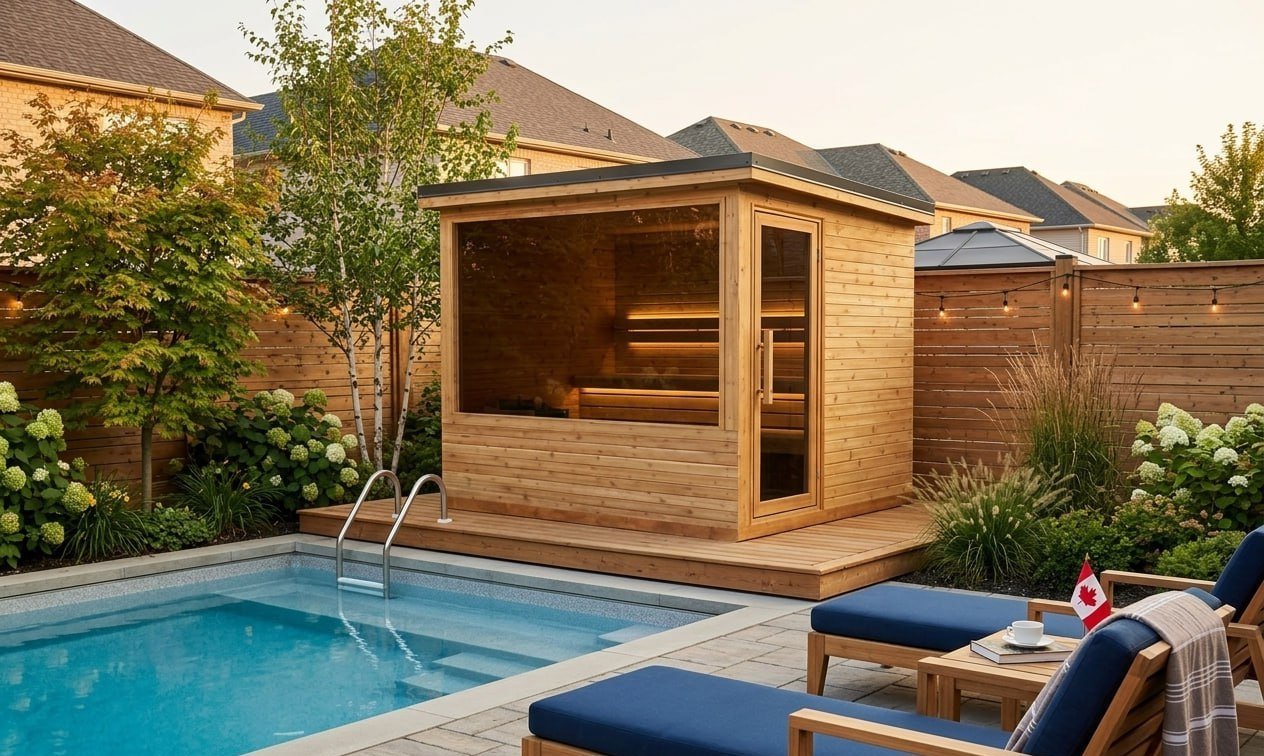
SaunaSpa builds outdoor saunas. That difference matters because the setting becomes part of the ritual. You heat up inside, step into fresh air, cool down slowly, and repeat if you feel good.
The outdoor experience creates contrast. In Canada, that contrast is a major part of why sauna feels so satisfying, especially in colder months.
Which one is better?
The better question is: which one fits the experience you want?
Choose infrared if you want lower air temperatures, an indoor unit, and a more direct heat style.
Choose a traditional sauna if you want heated stones, löyly, cedar, full-room heat, and the classic sauna ritual.
For people who want a real outdoor sauna experience, traditional sauna is the stronger match.
Safety still matters
Both types involve heat.
Start slowly, hydrate, avoid alcohol before use, and step out if you feel dizzy, weak, nauseous, overheated, or uncomfortable.
If you are pregnant, heat-sensitive, dehydrated, or managing a medical condition, ask a qualified health professional before using any sauna.
FAQ
Is a traditional sauna hotter than an infrared sauna?
Usually, yes. Traditional saunas generally heat the air to higher temperatures, while infrared saunas usually operate at lower air temperatures and warm the body more directly.
Can you pour water on the stones in an infrared sauna?
No. Water on hot stones is part of traditional sauna bathing, not the usual infrared sauna experience.
Which sauna is better for an outdoor setup?
For a classic outdoor ritual with cedar, stones, fresh air, and cool-down breaks, a traditional sauna is the stronger fit.
Final take
Traditional sauna and infrared sauna are not interchangeable.
Infrared is lower-temperature, direct heat. Traditional sauna is full-room heat, hot stones, cedar, and the option of steam-rich löyly.
At SaunaSpa, the choice is clear. We build traditional outdoor saunas because the ritual is bigger than heat alone. It is the wood, the air, the stones, the cool-down, and the feeling of stepping away from the day.
Next step: Explore SaunaSpa traditional outdoor sauna models if you want full-room heat, Red Cedar, and the classic sauna ritual.